
Art and Reality Crossing
The Fall of the House of UsherThe story’s imagined palace and romance repeatedly anticipate or echo the real events, blurring the boundary between artistic pattern and lived danger.
increasing Bearing strength in each event
 decreasing
Bearing strength in each eventdecreasingA Painted Underground
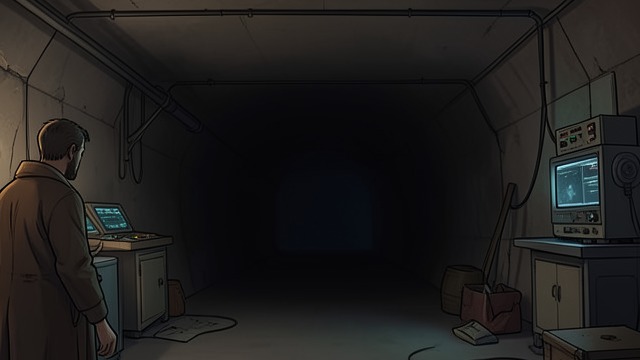
A Vault Without Exit
Image before event
Roderick paints a deep, enclosed passage with smooth walls and no visible outlet. The image is strangely luminous despite its buried location.
Art as anticipation
Its claustrophobic design precedes Madeline’s confinement in the vault. The painting does not predict details, but it makes entombment part of the imaginative landscape.
The Palace in Verse
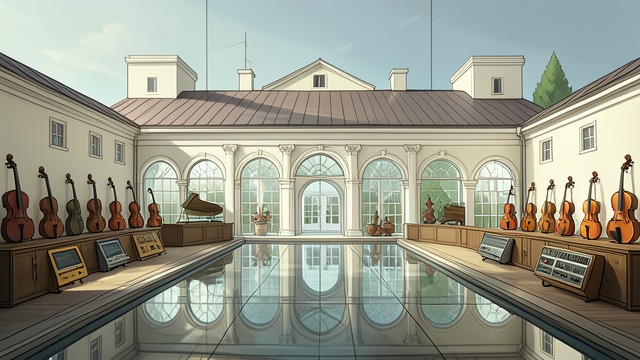
A Symbolic Household
Ordered beginning
The Haunted Palace presents a radiant home governed by thought and musical harmony. Its architecture becomes an image of a mind and a community.
A narrative prepared
The ballad’s ideal order sets up its own destruction. It offers a symbolic pattern through which Roderick’s condition can be understood.
A Ruin in the Ballad
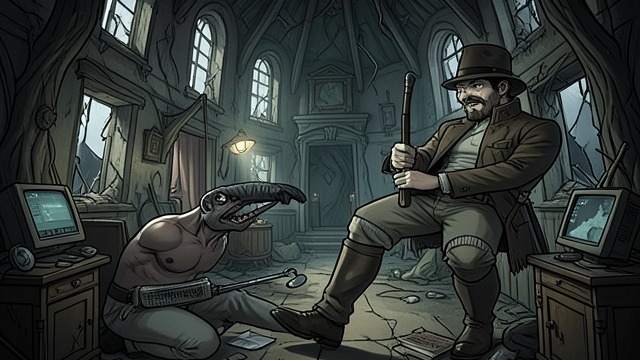
Discord Replaces Harmony
Changed inhabitants
The palace’s bright windows and sweet music give way to strange forms and discord. The once orderly home becomes a source of fearful movement.
A forecast
The poem resembles the deterioration of Roderick’s mind and the mansion’s atmosphere. Its artistic warning precedes the physical events without explaining them.
The Romance Reenacted
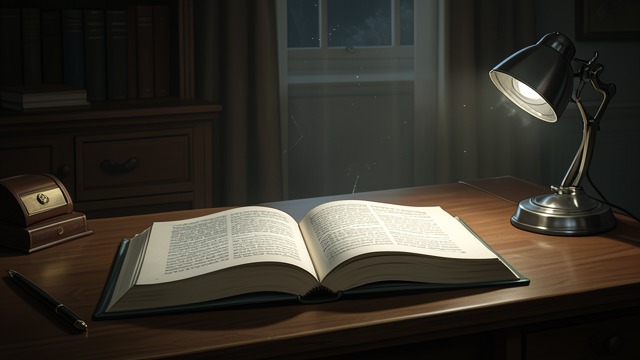
Literary Sounds in the House
A sequence repeated
As the narrator reads The Mad Trist, the mansion produces sounds resembling incidents in the romance. The apparent correspondences escalate from a broken door to a metallic crash.
Fiction changes function
The book ceases to be a distraction and becomes a lens for interpreting hidden events. Its pattern helps expose what the household has failed to acknowledge.
The Mansion’s Final Scene
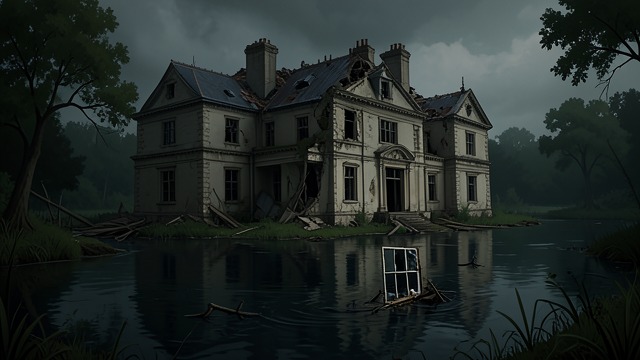
Pattern Meets Event
The final image
The actual mansion divides and falls into the tarn, completing the movement from an intact dwelling to ruin that art had anticipated.
Meaning without control
Paintings, songs, and stories help the narrator perceive and interpret danger, but none prevents it. Artistic patterns illuminate catastrophe only after they become real.
During the discussion of Roderick’s art
Before Madeline’s entombment
At the ballad’s closing verses
During the final stormy night
Immediately after the twins die
